Soundproofing vs Treatment

Soundproofing techniques

Keeping Noise Out

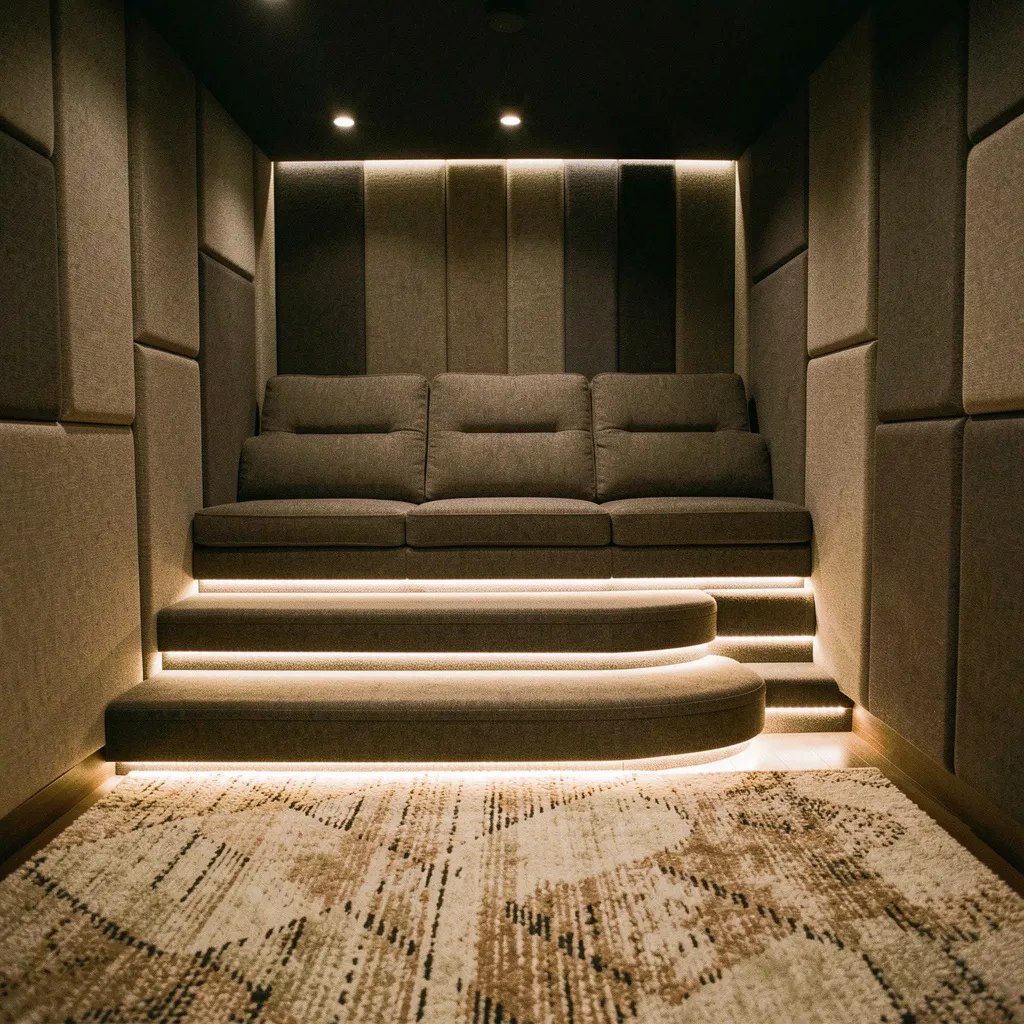
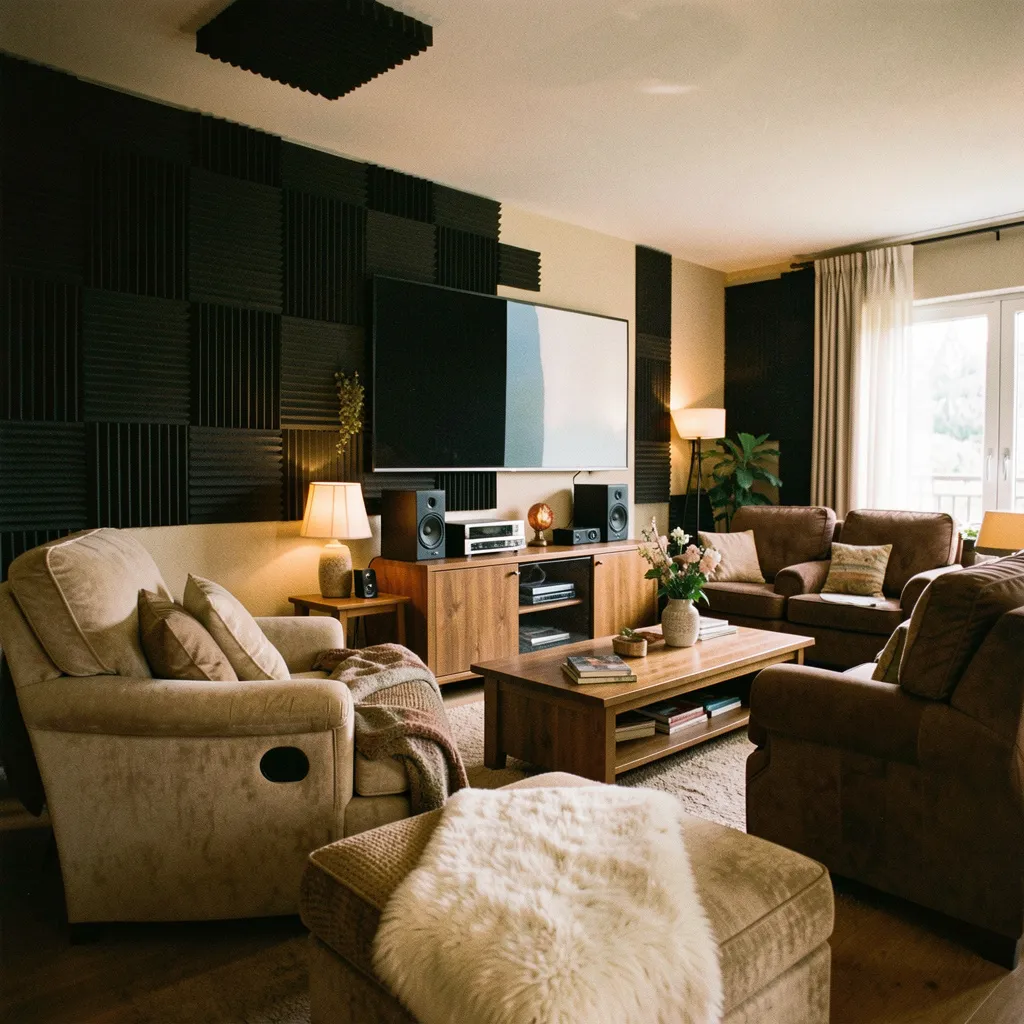
Soundproofing focuses on preventing sound from entering or leaving a space. This involves creating barriers using dense materials, decoupling structures, and sealing gaps.
Acoustic treatment

Making Sound Better

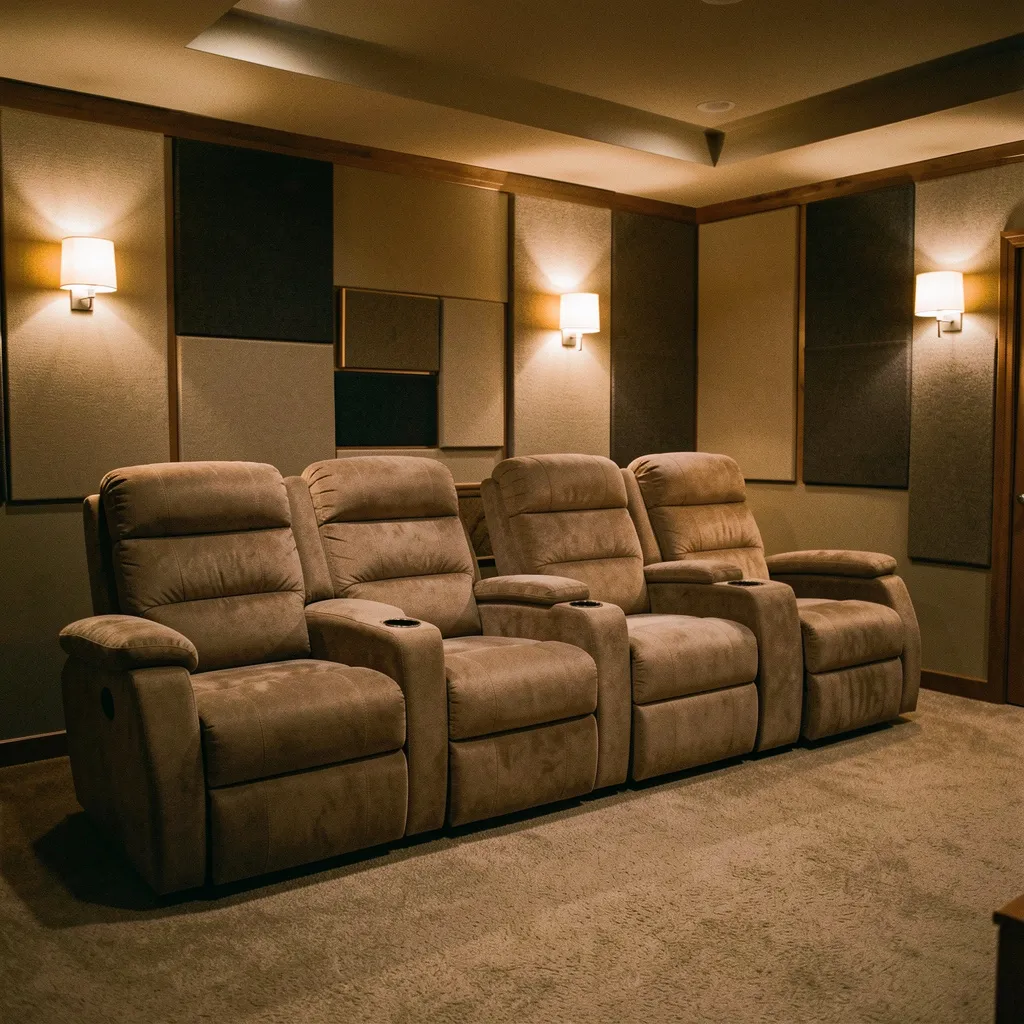
Acoustic treatment improves how sound behaves within a room. It addresses reflections, reverberation, and frequency response for accurate audio reproduction.
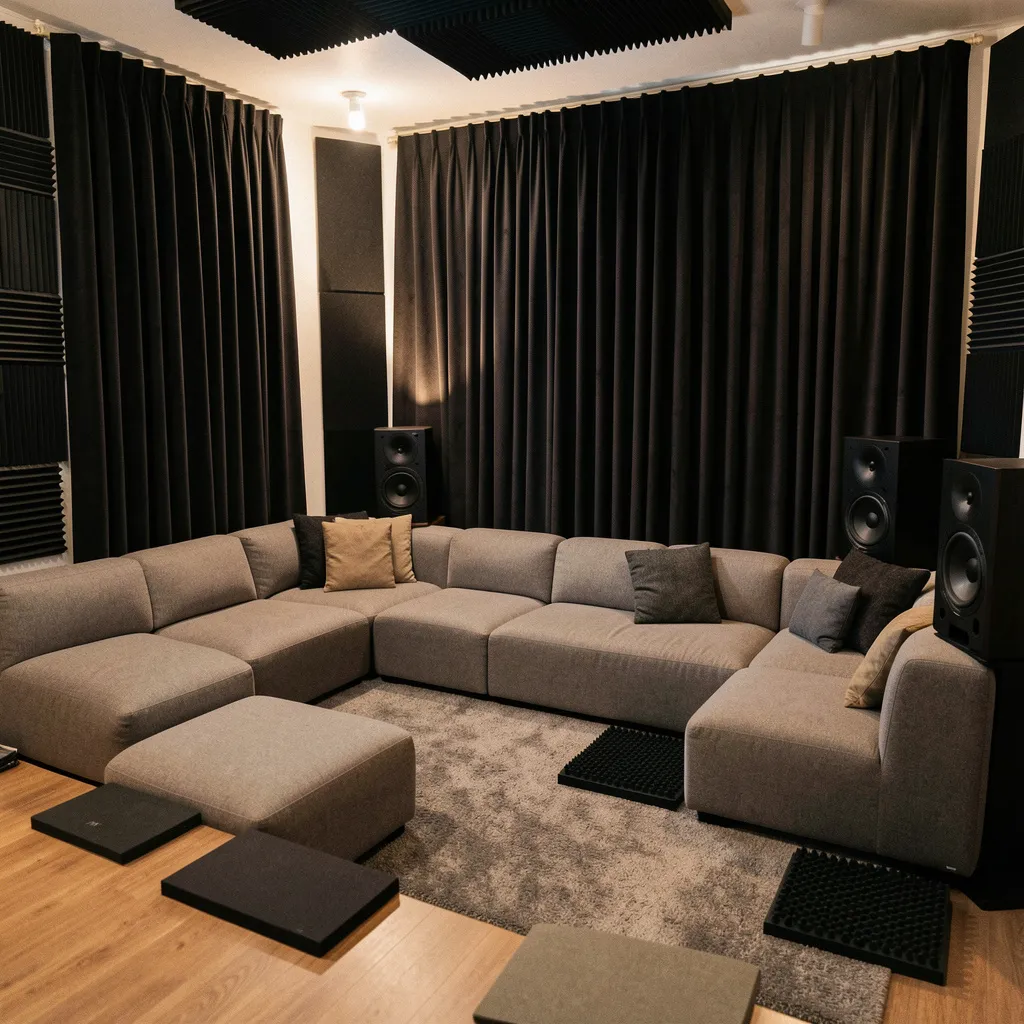
Sound and Surfaces

Sound reflection

Hard Surfaces

Hard, smooth surfaces like concrete, glass, and drywall reflect sound waves. These reflections create echoes, standing waves, and frequency buildup that affect audio quality.

Sound absorption

Soft Surfaces

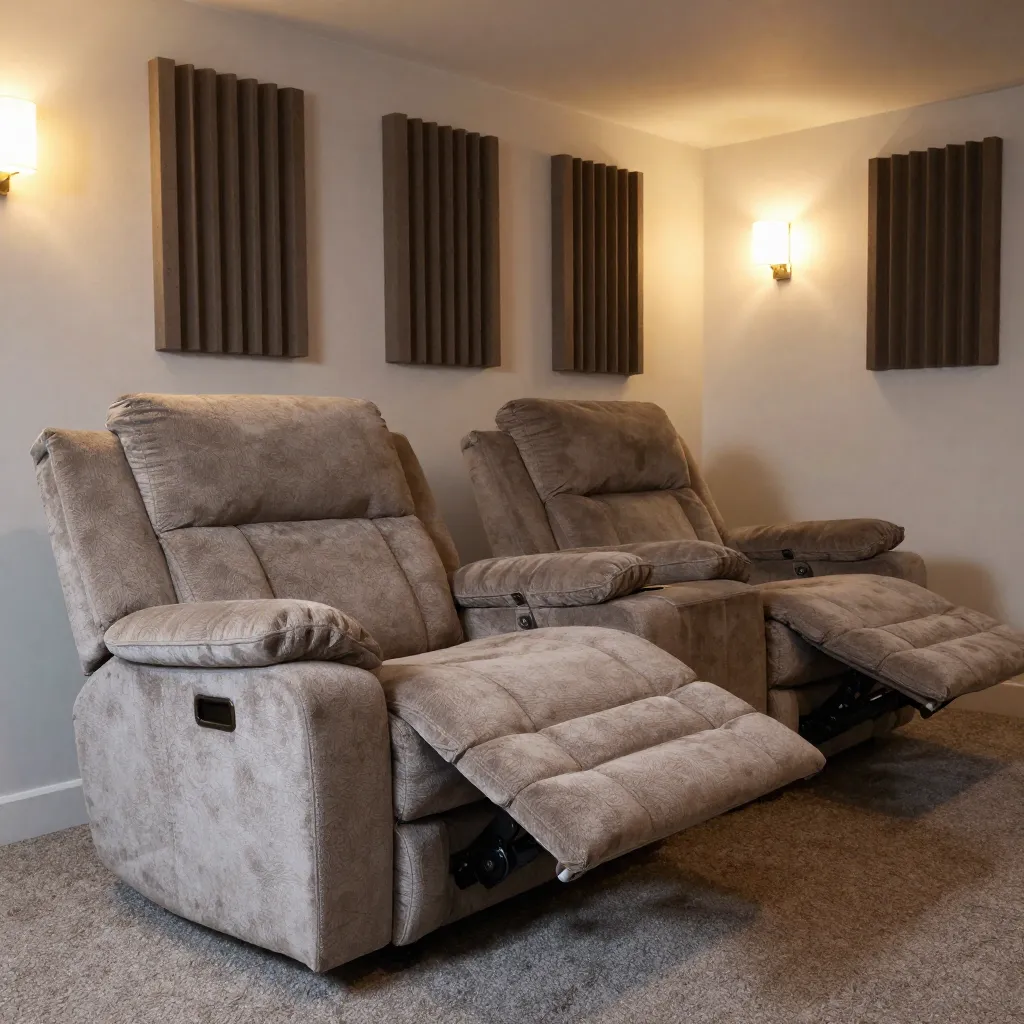
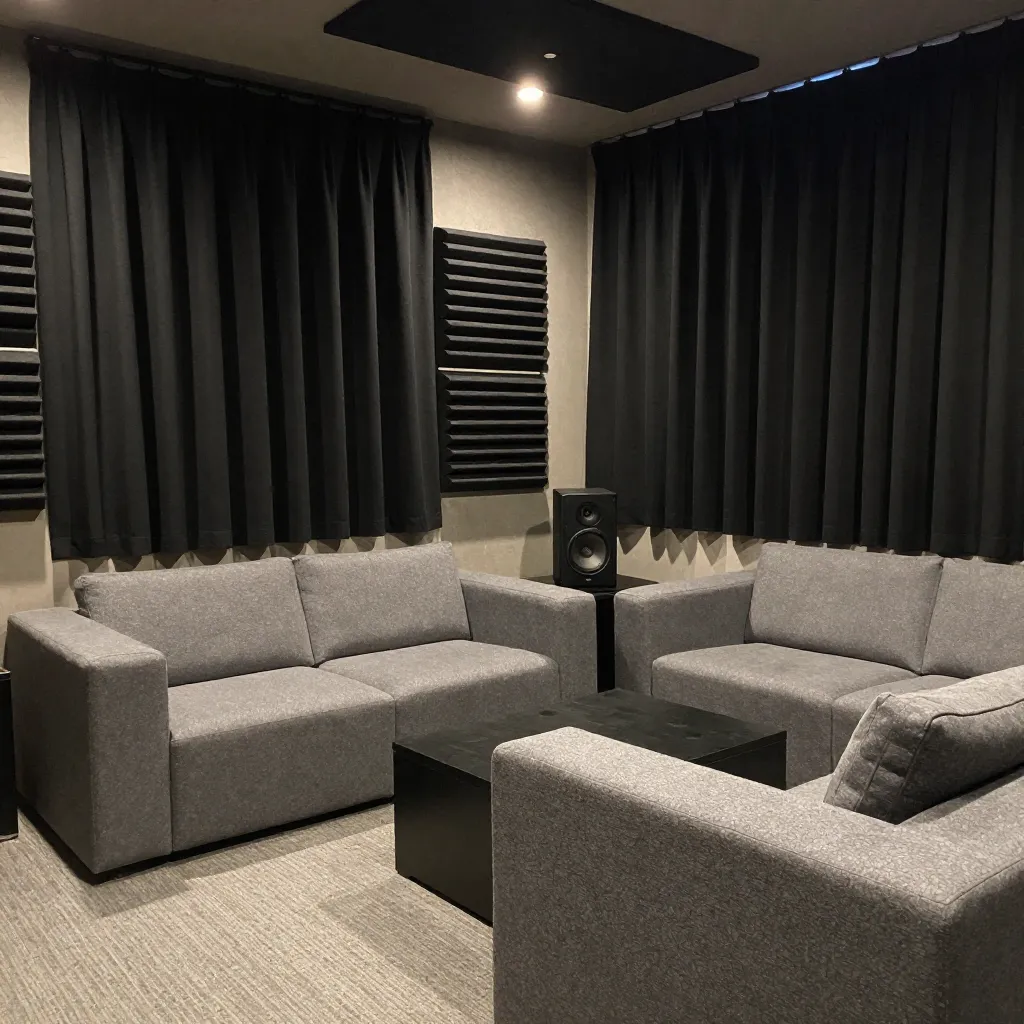
Porous materials like acoustic foam, heavy fabrics, and specialized panels absorb sound energy. Diffusion panels scatter sound waves, creating a balanced acoustic environment.

Room Modes

Frequency analysis

Understanding Modes

Every room has natural resonant frequencies based on its dimensions. These room modes can cause certain frequencies to be amplified or canceled, affecting sound quality.

Acoustic measurement

Measurement

We measure the room's acoustic characteristics using specialized equipment. This data guides our treatment strategy, ensuring we address specific issues effectively.

Applications

Home cinema

Home Cinema

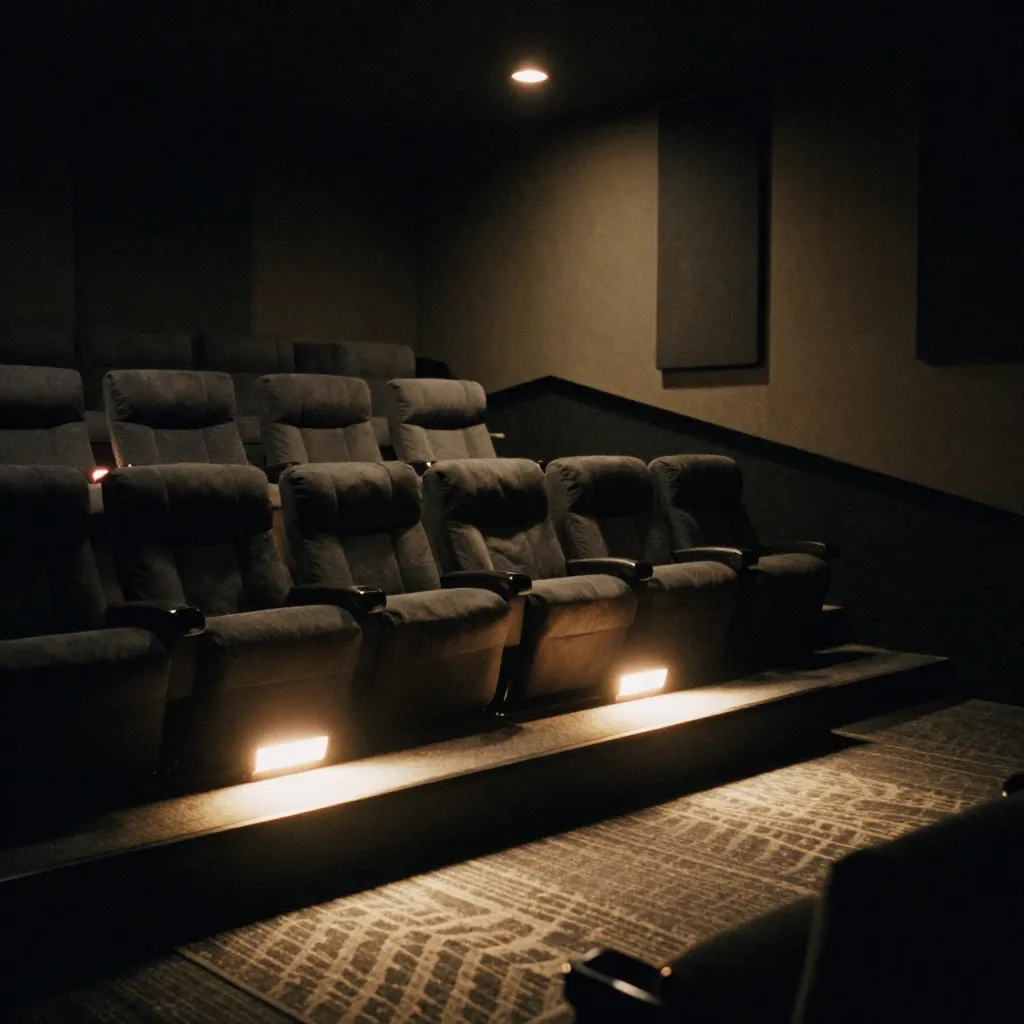
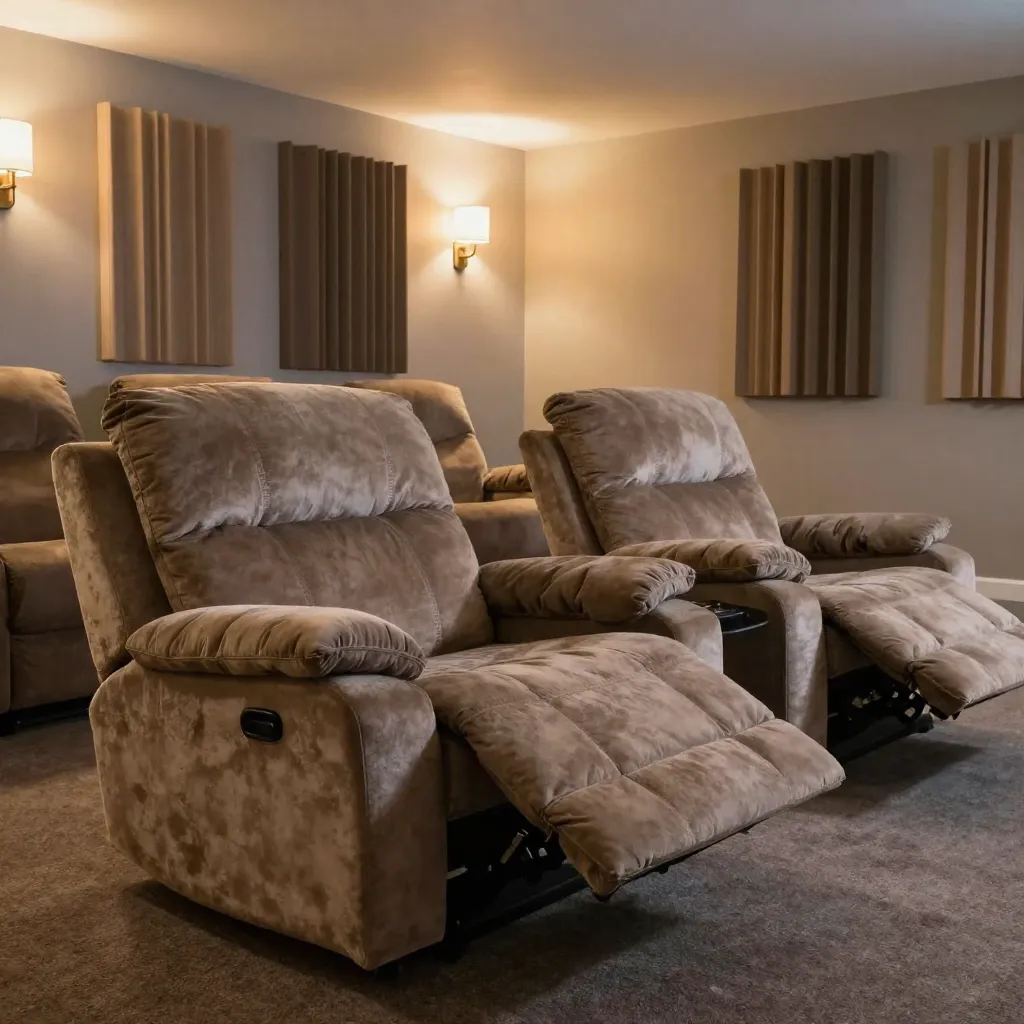
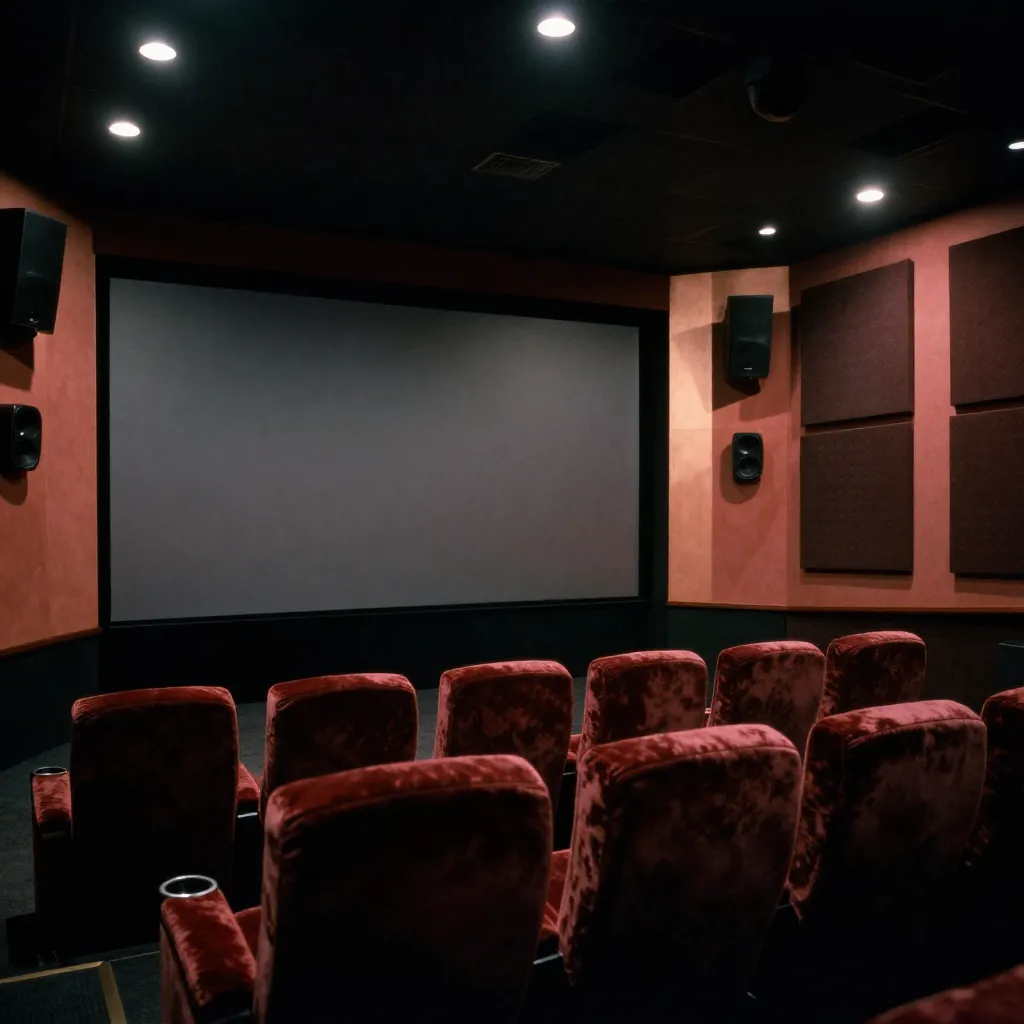
For home theaters, we combine soundproofing to prevent noise leakage with acoustic treatment to optimize audio playback for an immersive experience.

Listening spaces

Listening Spaces

In recording or critical listening environments, acoustic treatment creates neutral spaces where you hear exactly what's being recorded or played.